7 Jun 2023
AI-assisted image work and the graphic trades
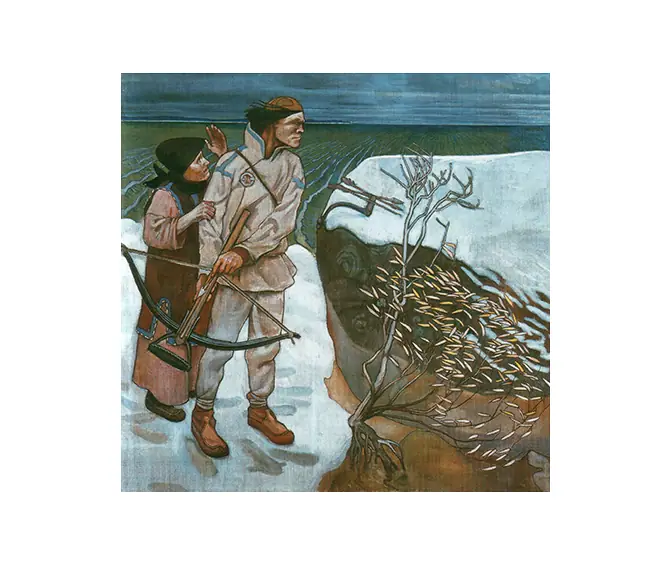
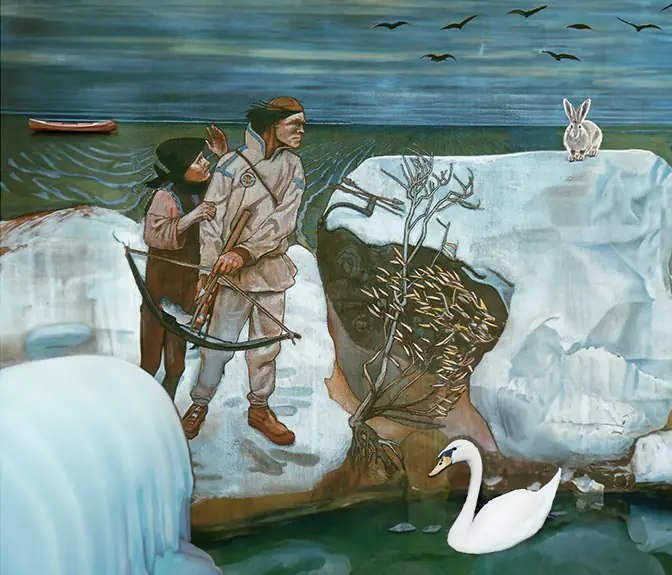
AI can continue a picture past its original edge, without a brushstroke. The limit is the retoucher’s imagination. One example set the original of Akseli Gallen-Kallela’s Lemminkäinen’s Revenge beside a version extended beyond the frame.
AI is already part of many trades, and graphic work is not an exception. Assisted image-making changes how a picture is created, edited, and used in advertising, graphics, and other visual work.
What AI means here
These are systems that take on tasks we used to reserve for a person’s judgment. They rest on algorithms and machine learning: the machine learns from data. In image work it can recognize and file pictures, improve quality, remove faults, and make new picture beside what already exists.
The tools
One example: a photograph from the start of the last century, beside a retouched and colored version in which the smile had been increased.
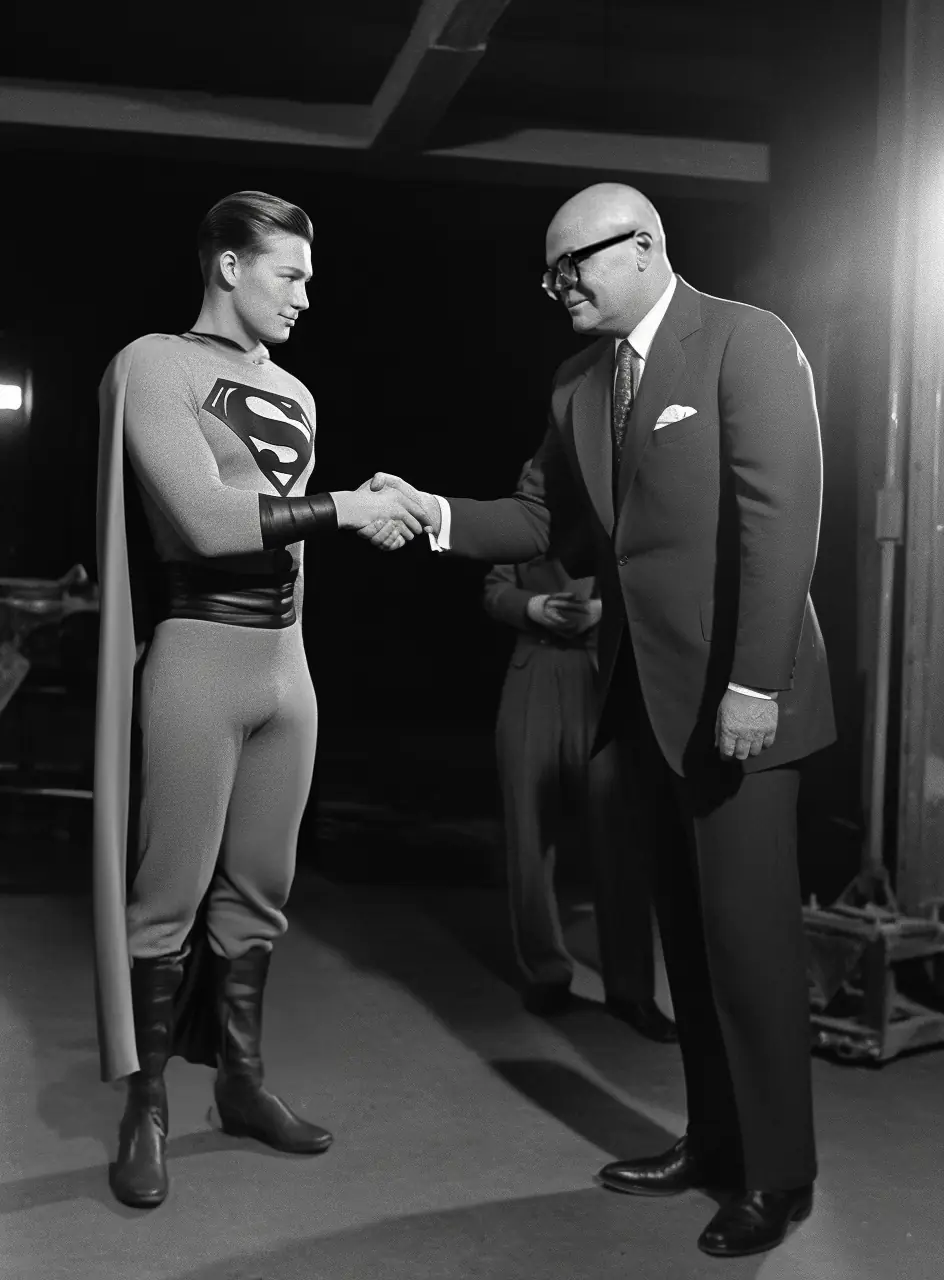
Recognition makes pictures easier to file and to find. Retouching can even color, correct exposure, and remove faults, so a finished picture arrives sooner. Generation can make a new picture, or combine ones that exist. One well-known play on the same idea put Kekkonen and Superman in a single frame: a meeting that never happened.
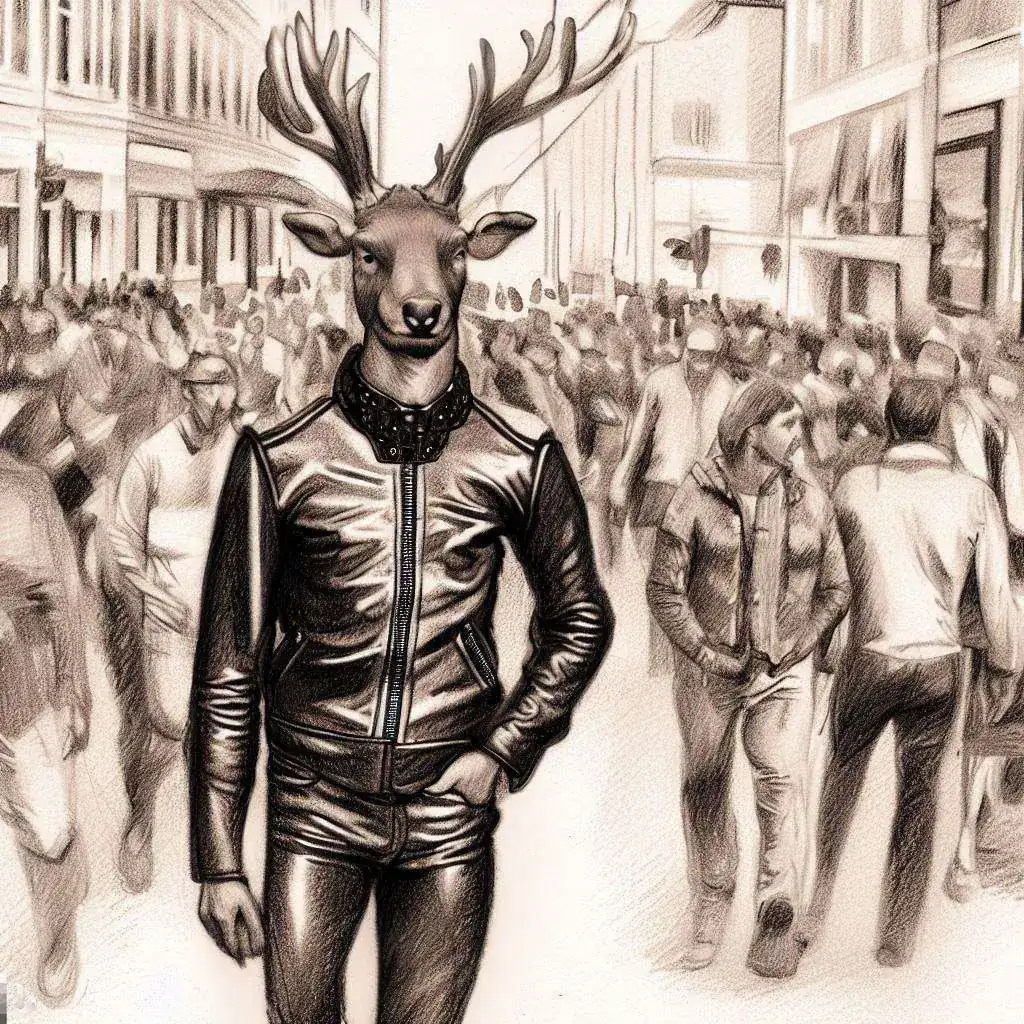
One generated drawing: a reindeer walking down Mannerheimintie, in the manner of Tom of Finland.
The work, the invention, the limits
Automating the routine gives time back to the inventive work and to the client’s need. The same tools make it faster to try an idea or a style. Ethical questions come with them. Classification rests on a large amount of data, and that raises privacy. The use has to stay responsible.
Advertising
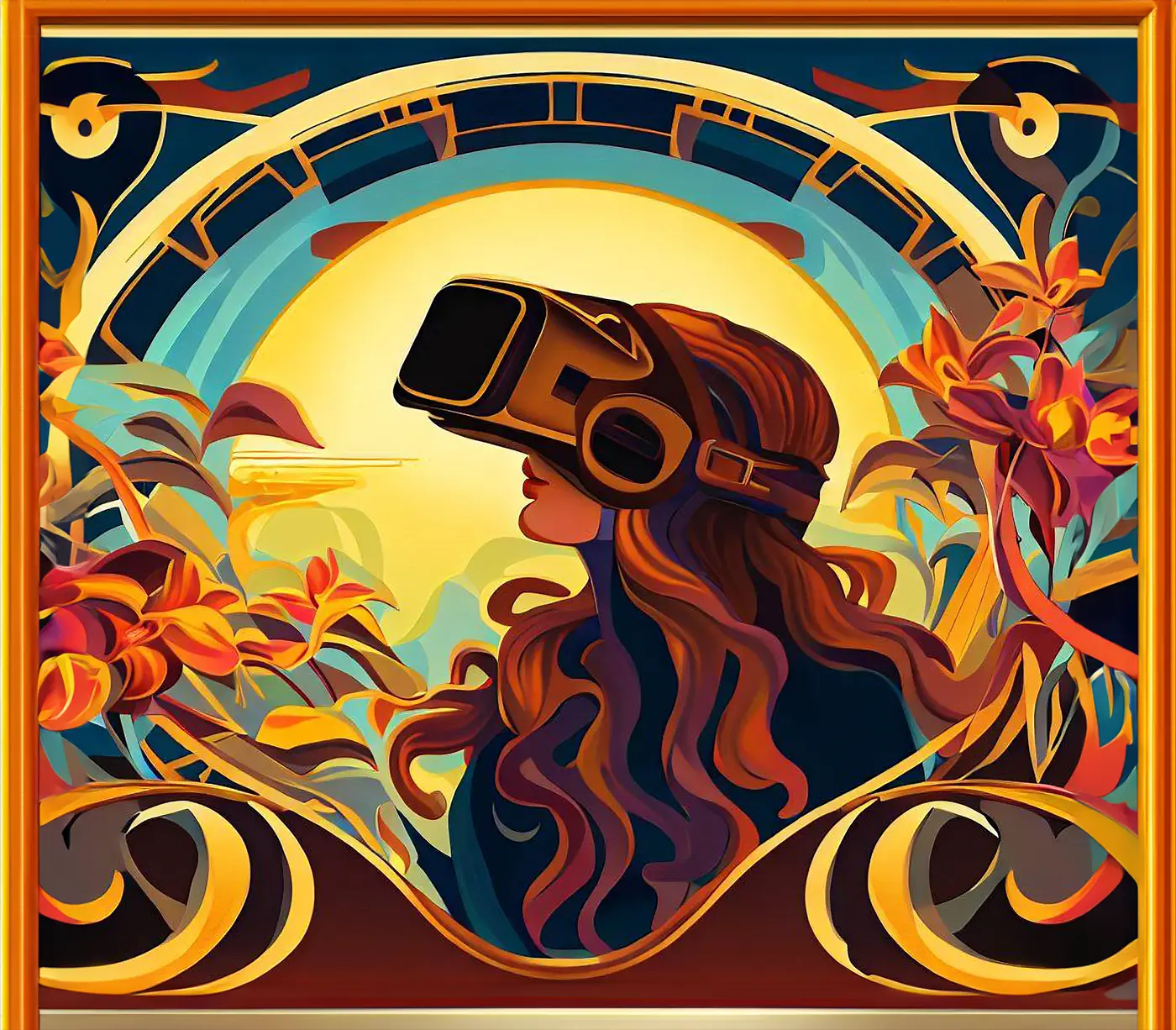
In advertising the same tools can personalize, fit a picture to the measure of each channel, and assemble material from text and image. One example showed AR glasses in an Art Nouveau manner to someone interested in art. The picture was generated. In a large campaign this saves time. A person still decides what is fit to publish.
Conclusion
Assisted image work changes the workflow of the graphic trades. It can speed the routine, make new visual elements, and fit advertising more closely. The advantage does not remove the responsibility. A professional uses the tool. The decision that a picture is good enough stays with them.